Cinephile (Foreign Film): Bright Star
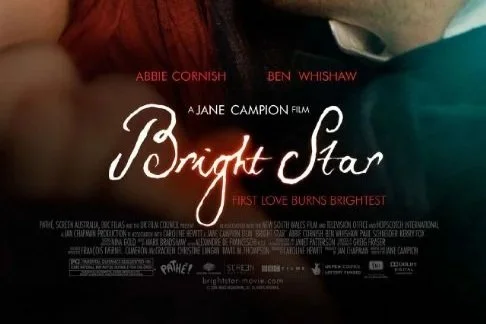
4/5 Stars
Plot: “Nineteenth-century English poet, John Keats, and his dressmaking neighbor, Fanny Brawne, have total disregard for each other. An unlikely romance develops and they fall deeply in love near the end of his life.”
Review: Glued to my television, at the theater, or in the books I read, I rarely seek out stories where the central theme of the story is romance. I consider myself a romantic, but these are not stories I am naturally drawn to when seeking something to hold my attention. Give me a great prison drama, an emotionally charged story centered on human endurance, or someone pondering the meaning of life, and I am usually hooked.
Unlike some men, I don’t avoid romance stories. I love great storytelling in all its forms. I must be in the right mood to dive into these stories. When I first watched Jane Campion’s “Bright Star,” it was February. The love I felt from Valentine’s Day could still be felt, and I found myself longing for a non-traditional love story.
“Bright Star” is centered on two characters. Fanny Brawne (Abbie Cornish) is a dress maker who stitches together fashionable creations that should be featured on the runways of Paris. John Keats (Ben Whinshaw) is a struggling poet who spends hours crafting delicate lines born of the romantic period.
As I watched this film, the first thing that jumped out to me was confidence and who possessed it. Fanny is so sure of herself. Every room she graces with her presence, she holds her own, while possessing a confidence that defies what must have been expected of her gender in the early 1800s. John is exactly the opposite. He is unsure of his talents, unsure of his poetry, and unsure of the woman living next door. What they share is their need to create. Beyond that, this seemed like an “opposites attract” story from the beginning. While this approach isn’t original, I found myself enthralled and holding onto hope for a surprising outcome.
The second thing that jumped out to me about this film is the formalities of British life during this period. The pursuit of good manners and proper etiquette is not something that matters much to Fanny. John infatuates her, and she makes it known despite the tears it causes in the fabric of British social order.
Finally, what impressed me most about this film was the partnership between the two main characters. Together, they are of a single mind. I found myself impressed by the love and devotion shown to each other and their chosen pursuits. When they are apart, their irrational yearning and need to be together is palpable. But this raises a question and the great challenge of this film. Is love standing in the way of their greatness?
Of course, the answer to this question is not something I will spoil. The answer gives us a third act filled with twists and turns that left me both floored and impressed. Perhaps it was the poetry. Perhaps Valentine’s Day still had a hold on me. Perhaps I am growing more emotional in my old age, but I found the final moments of this film both captivating and heartbreaking. I also found a romance story worthy of your time.
Be good to each other,
Nathan
As a member of the factory, you are taking a stand for human powered creation.