Dear Lucas (2026)
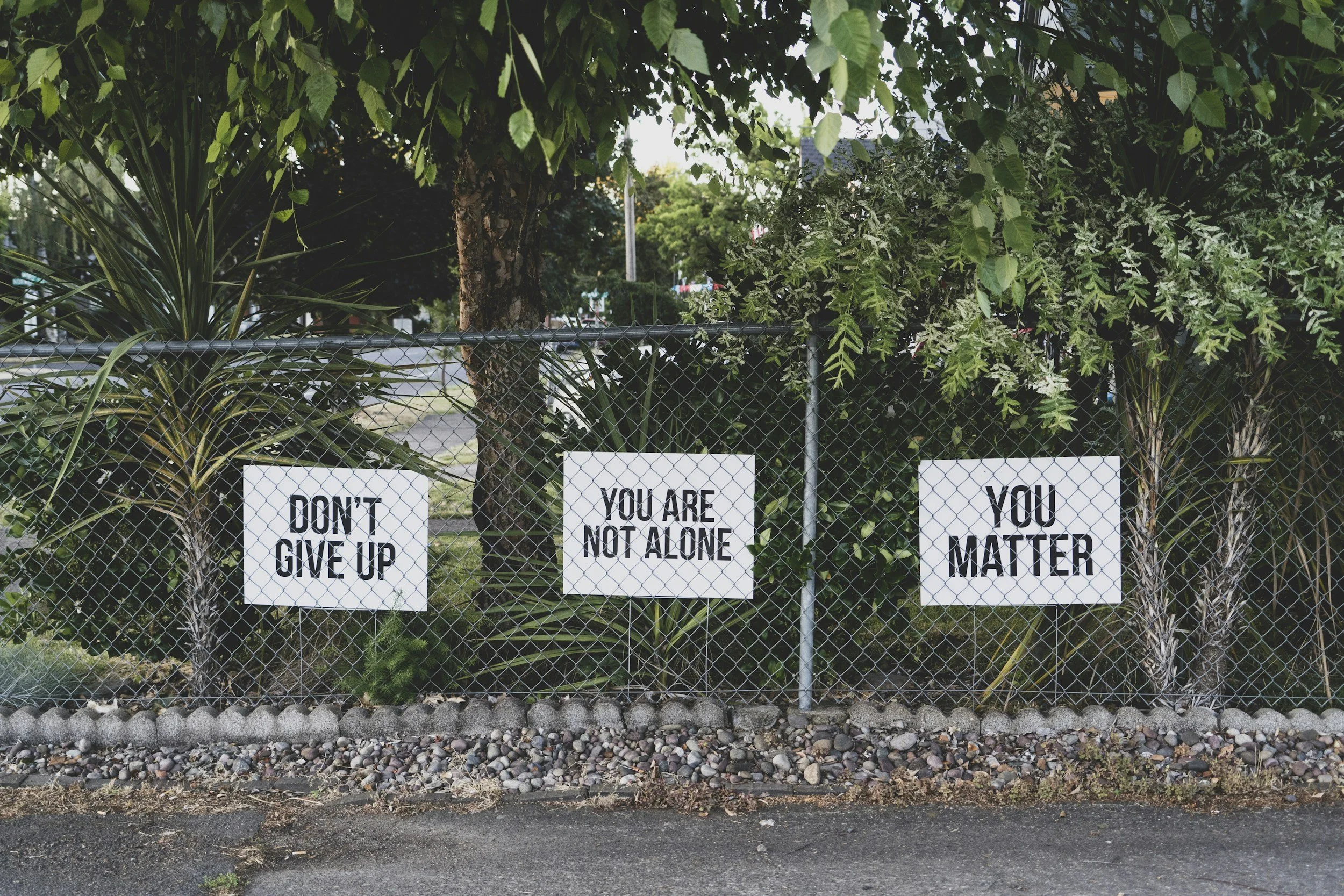
Image provided by @dmey503.
It has been five years since I drafted a letter meant for you and anyone else who might stumble upon it. In 2021, I stepped away from the annual tradition of writing an open-ended letter to you. After years of exploring self-care, mental health, post-traumatic stress, suicide prevention, acceptance, shame, and gifts born from this experience, I needed a break. I needed to think about you and your death in a new context. I needed to consider your life and its lessons beyond this tradition. As a writer, I needed to explore your story in new ways.
Since stepping away from an annual essay, I have worked on a long-form essay with mom that should be ready to publish in 2027. I have also started working on a novel that serves as a fictionalized version of your story. Neither of these projects are ready for public consumption, but I am enjoying the process. I am also finding a lot of catharsis in the work. As always, when we finally share these stories, I hope they do you honor and help change the conversation about mental health.
Choosing to walk away from an annual letter to you was not an easy decision. No one asked me to undertake this process. I put this expectation on myself. I didn’t want it to seem like I was ignoring you or choosing to forget your story. My intention was never to end our conversations. Over the years, I have received countless messages from friends, family members, and complete strangers, letting me know these letters have been helpful. In my words, I have been told that people feel seen, heard, and understood. More powerfully, I have been told that people have found the courage they needed to begin a conversation about mental health with themselves or with someone they love. As a writer, this may be the greatest honor of my life. Every word I write from here to the end of my life could land without any impact, and I would die knowing that my letters to you have made a difference. Truly, that feels special.
By ending this annual tradition, I hoped to remove the pressure of uncovering some subject worthy of deep exploration on the anniversary of your death. Instead, I wanted to discover a new sense of intention and reason. I wanted to return to these letters when I felt I had something powerful to say. I promised myself I would only return to writing these letters when I felt I had a new line to add to our ongoing conversation. I am here today, talking with you, because I have something new to say.
As a family, we made the conscious choice to be open and honest about the cause of your death. The world has asked us to share your story in one-on-one conversations and public presentations. In every invitation, we have talked honestly about your struggles with physical and emotional pain. We have talked about contributing factors, signs we missed, and things we wish we could have done differently.
We chose honesty, because the brutal nature of your death demanded it. We found ourselves longing for a world where no one dies again by suicide. Shame and embarrassment would only hinder this mission. Instead, we chose radical transparency because we wanted to be truthful. In that transparency, we hoped those who are struggling and those who love them could summon the strength needed to seek help.
This radical transparency delivers me to the purpose of this year’s letter. According to the Centers for Disease Control, every year in the United States between 48,000 and 50,000 people die by suicide. This translates to 134 to 137 deaths per day, or one death every 11 minutes. That means by the time you finish reading this letter, another person will have died by suicide in this country.
Digging a little deeper, the American Foundation for Suicide Prevention reports suicide rates are four times higher among males than females. According to the CDC, there are roughly 1.6 million suicide attempts every year in the United States, and roughly 12 million adults report serious thoughts about suicide every year.
Digger deeper still, of nearly 50,000 suicide deaths each year, about 27,000 are attributed to firearms. According to AFSP, 55% to 57% of suicide deaths are attributed to firearms. In fact, 60% of all gun-related deaths in the United States are due to suicide. Finally, 85% to 90% of all suicide attempts with a firearm are fatal.
In this country, talk of gun control ignites passionate debate. There are those who believe that any attempt to control firearms is a blatant attempt to infringe on their constitutional right to a firearm. Then, there are those (like me) who believe smart policies need to be put in place to ensure that citizens do not have access to weapons of war; that people with extreme mental health challenges or violent offenses don’t have access to weapons of revenge and retribution.
The purpose of this year’s letter is not to ignite a debate about gun control. After elementary school shootings at Sandy Hook and Uvalde, I am convinced my country is incapable of solving this problem. Instead, I want to reframe the argument.
Lucas died by suicide, and a firearm was his method of choice. This fatal attempt was not his first. Prior to November 3rd, 2014, Lucas attempted suicide by ingesting a large quantity of medication. Luckily, he was discovered before death by suicide could claim another victim.
After that initial attempt, Lucas worked hard to get healthy. He sought mental health help, but had a hard time accessing reliable assistance in the small rural town where my family lived. He also worked hard to escape that small town via military service, college, and jobs elsewhere. Unfortunately, everywhere he turned, a door was closed in his face. He felt trapped. His mental health challenges reemerged. This time, they were inflamed by addiction and chronic pain. In the end, his war was too much. He chose to silence his restless and unrelenting mind with a firearm. His choice was a shock, but it wasn’t a surprise to anyone who had been paying attention.
All these years later, I can rationalize his choice. Even on my darkest days, it is not a choice I would ever make, but a choice I understand. What I cannot shake – the thing that keeps me up in the middle of the night is his final moments and the gun in his hand. If he hadn’t had access to a weapon, would he still be here? I cannot answer that question. No one still alive can. But I know access simplified his options. In my mind, there is no doubt about that.
Looking at the aforementioned statistics related to suicide deaths, I am amazed by how many are caused by firearms. The United States leads the developed world in firearm deaths. I would argue that controlling access would lower this number, but as I mentioned before, I feel we are incapable of reaching an agreement on this point. So, what are we to do? Should our collective frustration go nowhere? Should we just accept inaction? Should we just accept that ease of access trumps our need to keep people alive?
I don’t think so. I cannot accept lobbing these questions into the ether without some sort of answer within our grasp. I need directions. I need something more than that. I need to know that there are practical steps to reduce the number of suicide deaths caused by firearms in this country. Knowing these steps are beyond my means, I searched for literature and experts. I need to close this letter with things you can do for yourself and others. I want you and everyone you know to be here tomorrow, even if it means weathering your darkest impulses of self-harm. Here is what I found.
The American Foundation for Suicide Prevention has some wonderful resources on preventing suicide deaths by firearms. I strongly encourage you to visit https://afsp.org/protecting-yourself-and-others/ for more information. But here are some highlights.
Lock
Secure and unload: Store all firearms unloaded and locked in a gun safe, lockbox, or with cable locks.
Separate ammunition: Lock ammunition away in a separate, secure location from the firearms.
Limit
Control access: Restrict who can open storage devices by changing safe combinations, replacing locks, or giving keys to a trusted person.
Create distance: Putting time and physical distance between a person in distress and a lethal means helps the crisis pass safely.
Temporarily Remove
Relocate firearms: Move guns outside the home to a trusted friend, family member, or secure community storage option if someone in the household shows signs of distress or suicidal crisis.
Trust your instincts: If a loved one is not acting like themselves, take immediate preventive action regarding household firearm access.
Knowing that guns are part of our culture and that meaningful reform will probably not happen within my lifetime, I hope you will consider these simple suggestions to reduce the risk of someone accessing a firearm while in distress. Together, through thoughtful action, I know that we can make meaningful change, and save a lot of lives in the process.
Be good to each other,
Nathan
As a member of the factory, you are taking a stand for human powered creation.