A Reader (15/15): 15 Years of Reading
My love of reading began at home. My mom has always been an avid reader. Mimicking her, I fell head over heels in love with reading at an early age.
I remember feeling proud as I entered kindergarten already a reader. I remember Pizza Hut and “Book It.” I remember a reading challenge in the third grade, where two prizes were awarded: Most Books Read and Most Pages Read. I won the Most Pages Read award (still one of my crowning achievements).
I also remember falling out of love with reading. In middle and high school, democracy and self-determination were cast aside in the name of assigned reading. We were no longer free to choose our own books. We were forced to read certain predetermined books, tested on our comprehension of what we read, and expected to graduate having read a certain series of books. This tyranny would turn me off reading until I graduated college.
A few months into my first job at the same university that gave me a degree, it dawned on me that by not reading, I was absent from vital conversations happening all around me. I have never liked the feeling of being left out. I decided to reenter the world of books.
At first, it was daunting, but with the help of an office book club called, “Feeding Rainbow,” I found all the motivation I needed to reignite a long-dormant romance.
For more than 15 years, I have been tracking my reading via Goodreads (a terrible app Amazon has ruined). In that time, I have read 221 books. In the same time frame, I have marked 26 books as perfect. For this essay and in celebration of 15 years of Natetheworld.com, I thought deeply about the 15 most impactful books I have read since returning to my love affair with books.
But what does impactful mean to me? When I look at this list, I see books with powerful messages, exquisite writing, books that invited me into an unseen world, and books that have served as mirrors reflecting my own life.
In this list, I hope you find books you know and love, as well as new books that may become favorites of yours.
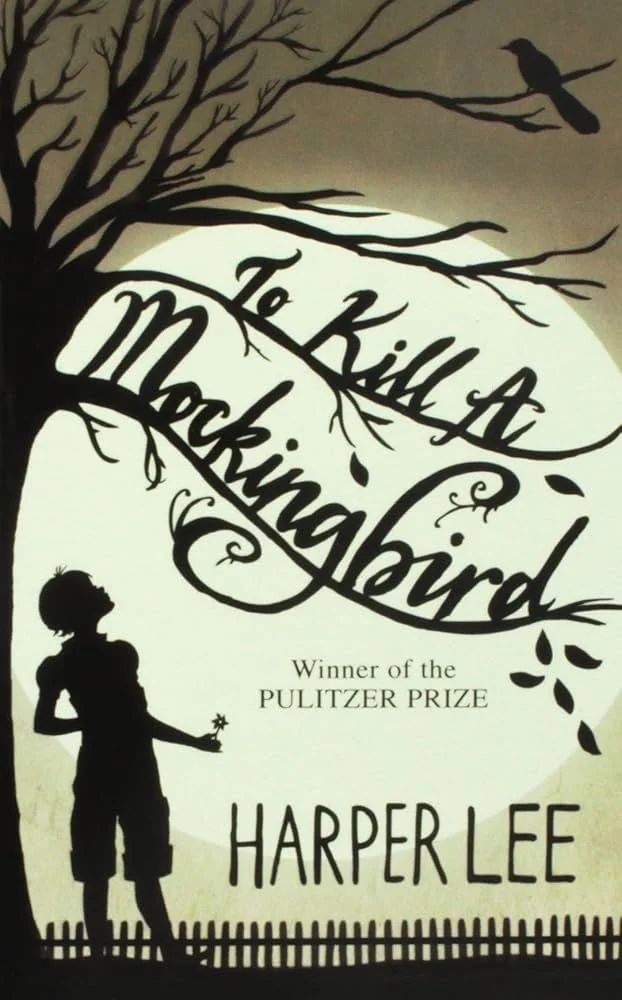
To Kill a Mockingbird by Harper Lee
When given the impossible task of naming my favorite book of all time, I almost always default to To Kill a Mockingbird by Harper Lee. I finished this book while Matt Patt and I drove from Washington, DC to New York. This was one of those books I chose for us to read as part of our UCO Feeding Rainbow book club.
Closing this book for the final time, I was stunned. I couldn’t fully grasp what I had just read. My mind races as it attempted to deconstruct the racism and dual judicial system that centers this book. I also felt consumed by the moral courage shown by Atticus, the innocence of children, and how difficult we make it for some people to survive in this world.
In all the books I have read in this life of mine, this is the one book I wish I could read again for the first time. I would give almost anything to have those original feelings wash over me again. In my literary journey, very few things compare to how I felt when I closed this book for the final time.
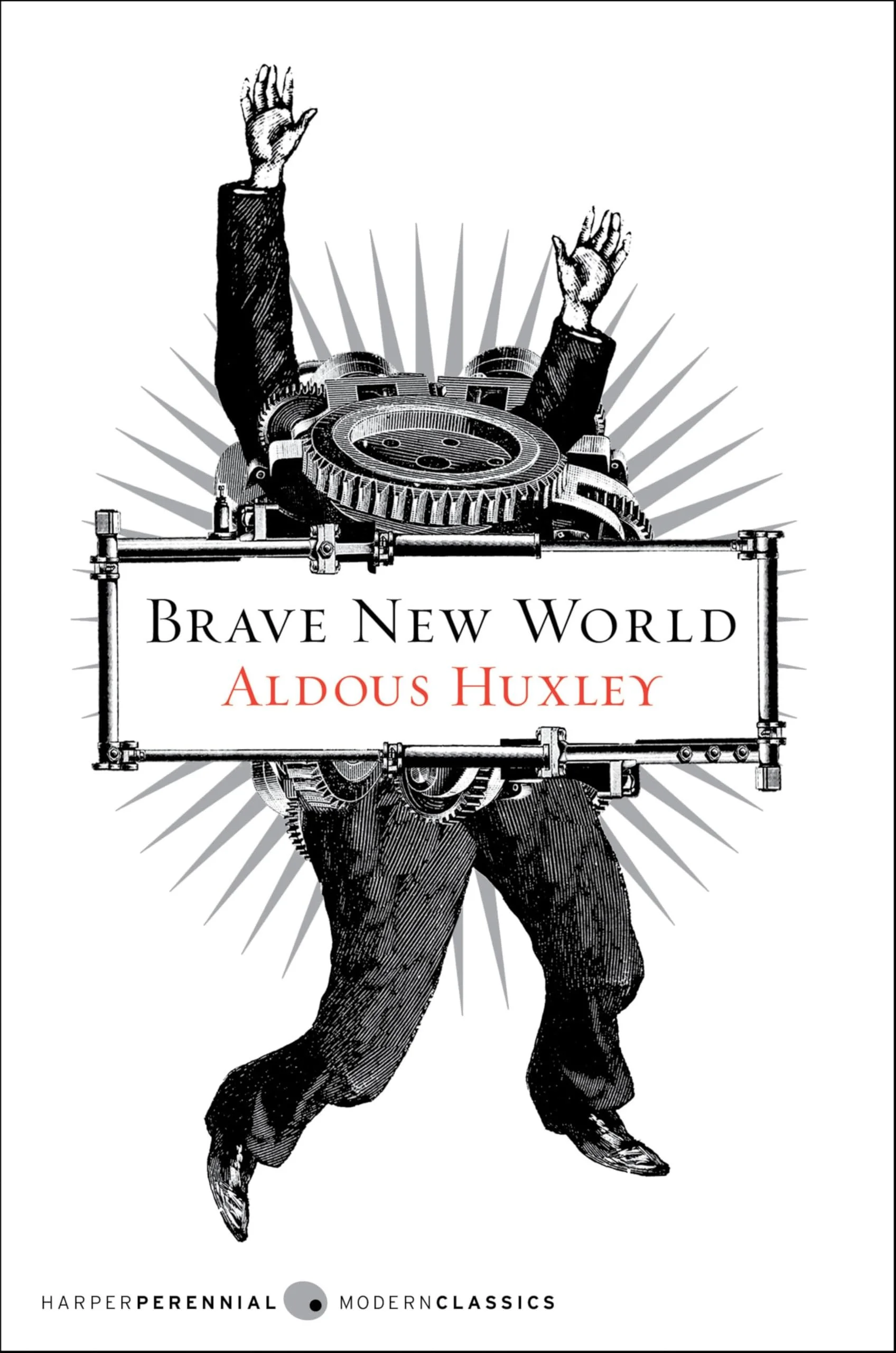
Brave New World by Aldous Huxley
Brave New World by Aldous Huxley is one of those books we were required to read in high school. The exception is that I enjoyed this book.
Set in a dystopian world (gesturing at everything) that is starting to feel all too familiar, this book asks us to question the invasion of technology into every aspect of our lives, conformity in the name of comfort, and the pursuit of happiness.
During the first full month of my senior year, between first and second period, I watched a plane fly into one of the twin towers in Lower Manhattan. After that fateful day, America became consumed with fear and grossly overreacted. We built a police state where everything we do is monitored under the banner of rooting out terrorism. Conformity to this system often discouraged us from questioning the invasion.
If I had not lived, and continue to live, through this period in American history, I am not sure this book would continue to land for me. But I was expected to become an adult in the post-9/11 world. Nothing has been the same since then, and Brave New World continues to flash as a bright warning sign in the distance.
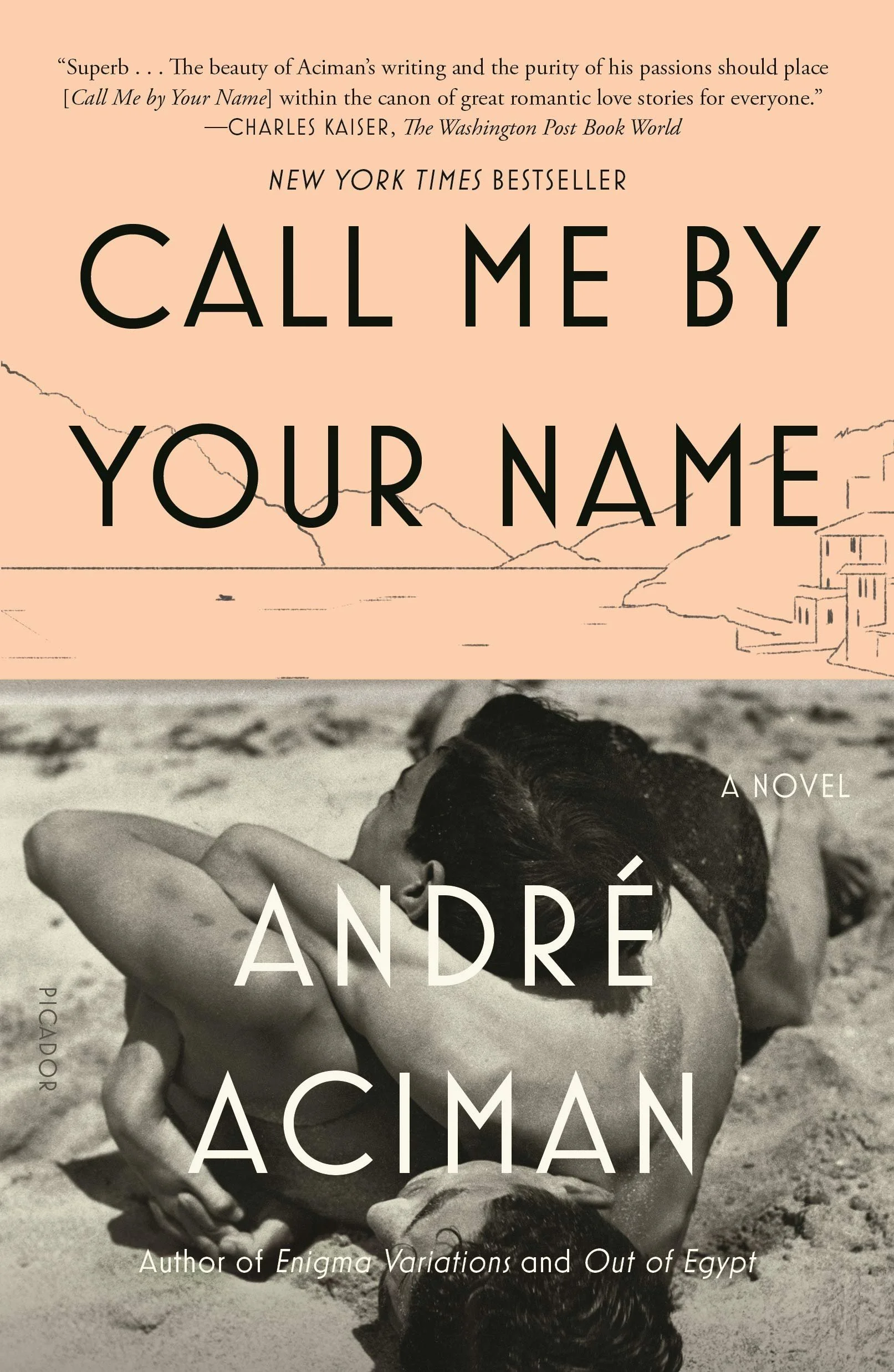
Call Me by Your Name by Andre Aciman
Call Me by Your Name by Andre Aciman may be the best written book I have ever read. Focused on a sudden and powerful romance between a young man and a visiting American scholar, this book drips with metaphor, similes, and lines of phrase that stopped me in my tracks. Never have I been so jealous of another writer. Every page possesses sentences and paragraphs worthy of your highlighter. Sometimes, this book feels more like art than a novel, but it tells an unforgettable story.
As someone who has fallen deeply into the art form of writing, who constantly thinks about ways to perfect his craft, and is in a never-ending state of storing away the best writing I can find, this book serves as a north star for me. When I grow up, I want to write this well, and with this level of mastery and artistry.
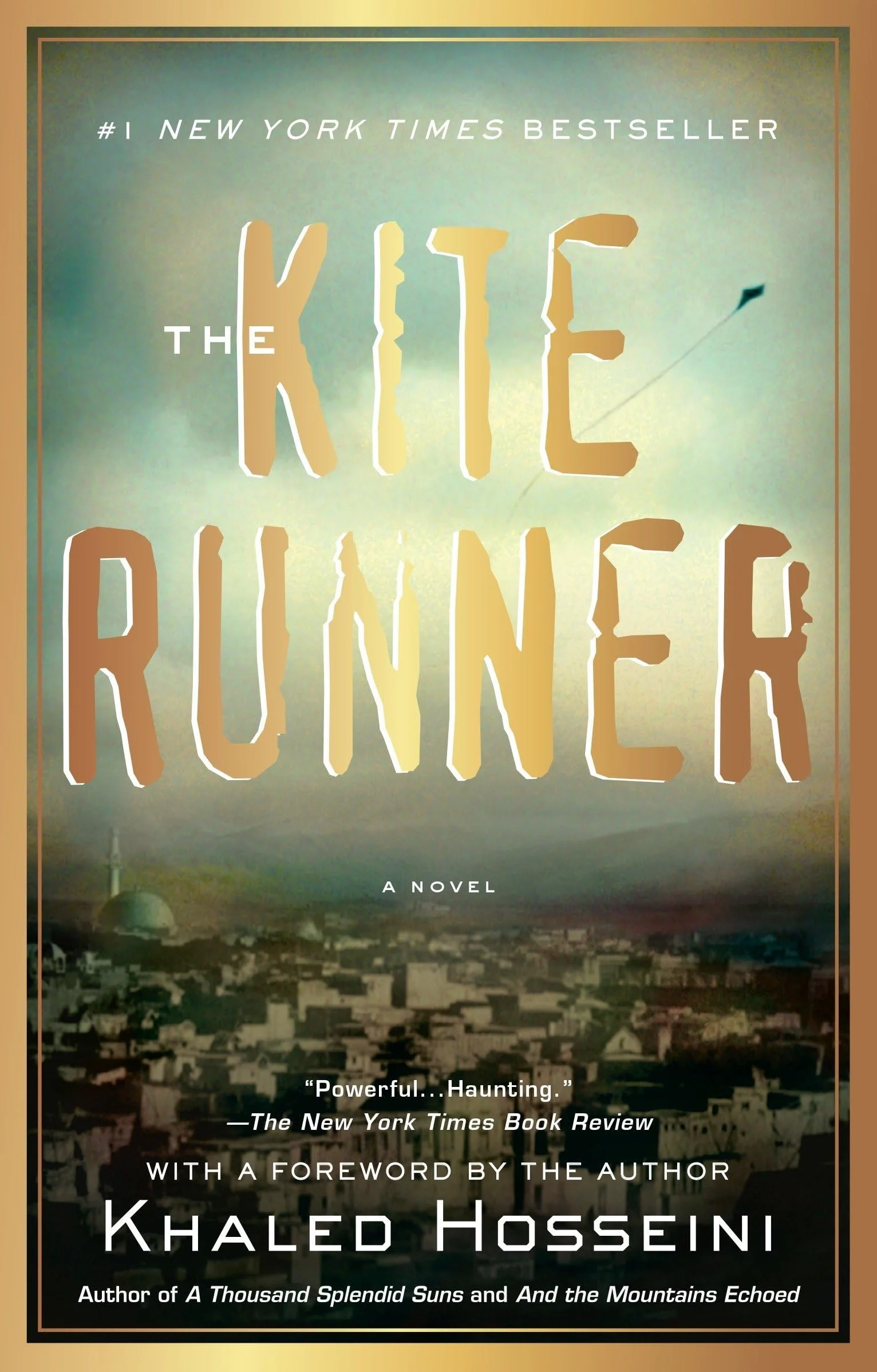
The Kite Runner by Khaled Hosseini
With war-torn Afghanistan serving as the backdrop to The Kite Runner by Khaled Hosseini, this is a book I think about often. At its core, it is a story about friendship, betrayal, and escape. I think it continues to resonate with me, because of the human story it tells.
To be human is to be filled with moments in our lives when we wish we could have been better. These could be moments when we chose to walk away from something we figured didn’t concern us, evil we ignored, and/or responsibilities we overlooked. With time and a clear consciousness, these moments can haunt and crystallize into regret. If we aren’t diligent, that regret can begin to tear away at us.
Through this story, we are asked to hold space for whatever regret we might harbor. If you sit with it long enough, you might be forced into action with complex hopes of righting a wrong. For me, there are moments in this life where I wish I could have been better. This book sent me searching for a second chance. Where forgiveness couldn’t be extended, a promise made to myself to be better in the future had to suffice.
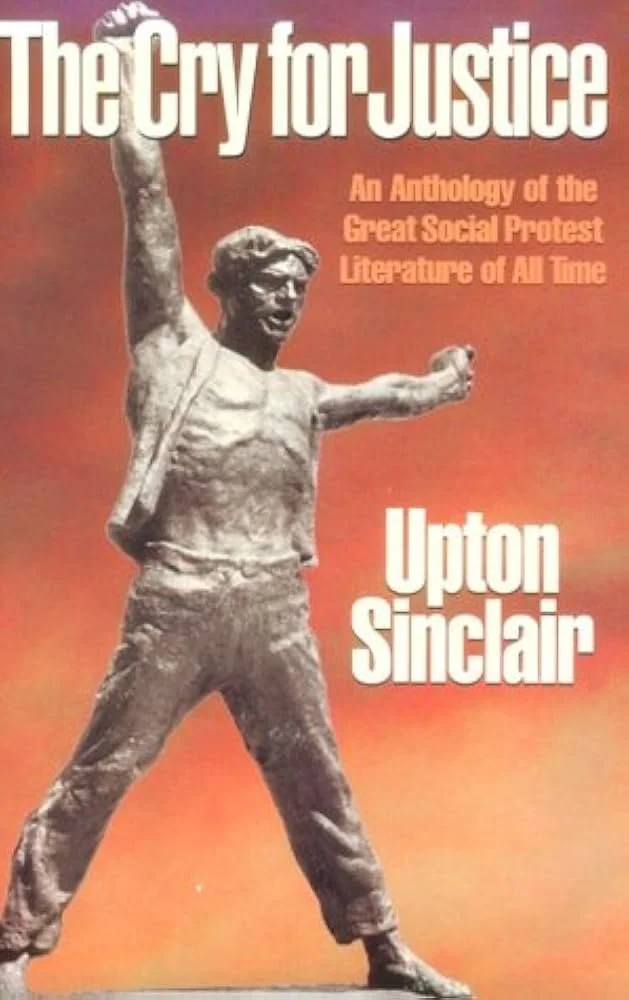
The Cry for Justice by Upton Sinclair
The Cry for Justice by Upton Sinclair is required reading for anyone pursuing social justice work. Packed with essays and poetry, I reflect on the teachings in this book often.
Progress can often feel like you are trying to roll a boulder up a hill. Along the way, there are obstacles, valleys, and streams standing in your way. There are also moments when the massive rock begins to cede ground and roll back downhill. When progress feels slow and impossible, I think of this collection. Its powerful words provide an opportunity to reset. It reminds me that bending the “moral arch of the universe” takes patience and grit.”
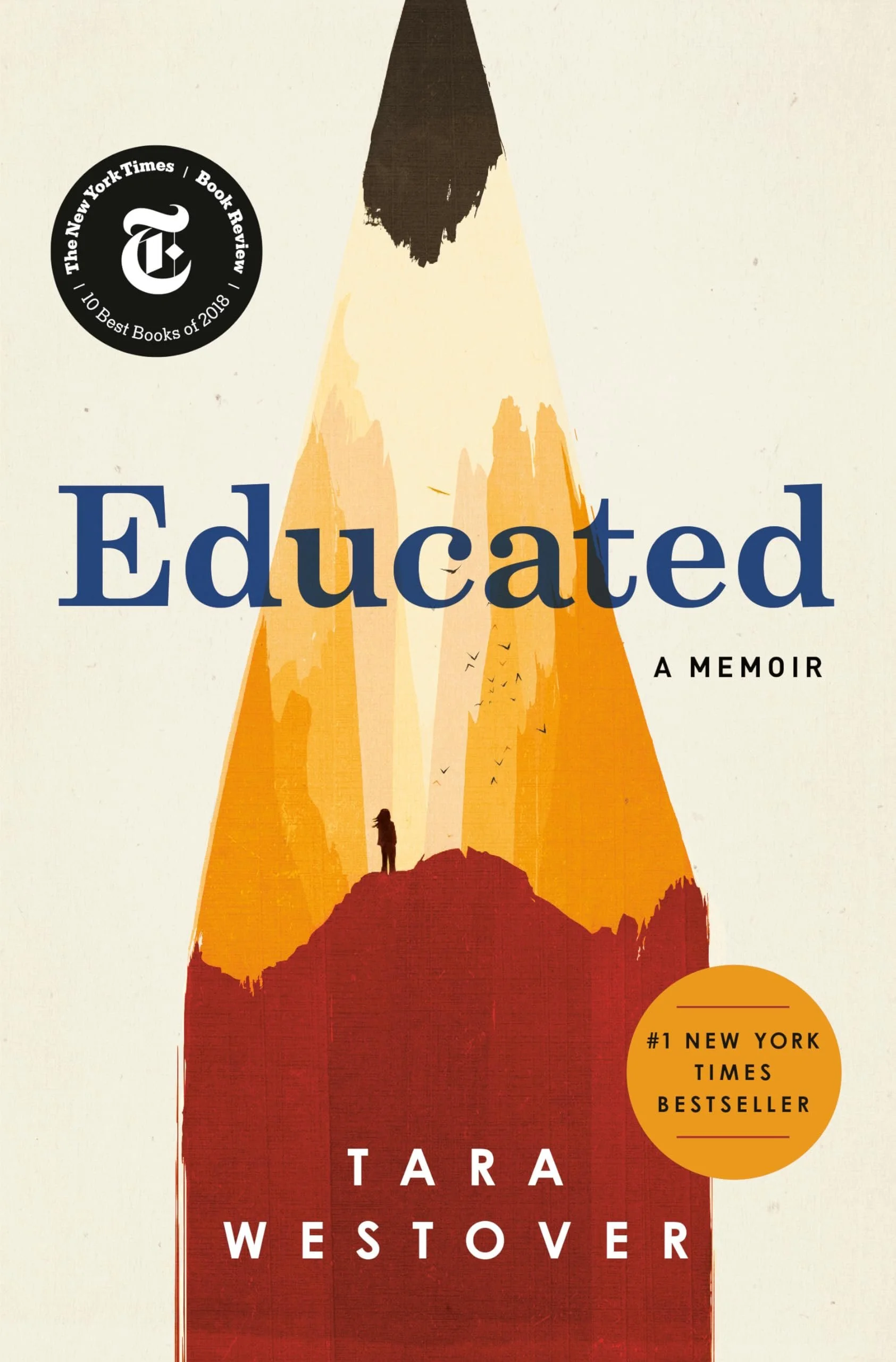
Educated by Tara Westover
Educated by Tara Westover is a memoir that reads like a novel. It also exemplifies the dangers of belief and the prison it can create. As we get to know Tara and her family, we understand how rigid and unshakeable beliefs can hold people in place and keep them from progressing. As a reader outside the Mormon faith, I spent most of this book aghast and wondering how Tara might escape this prison.
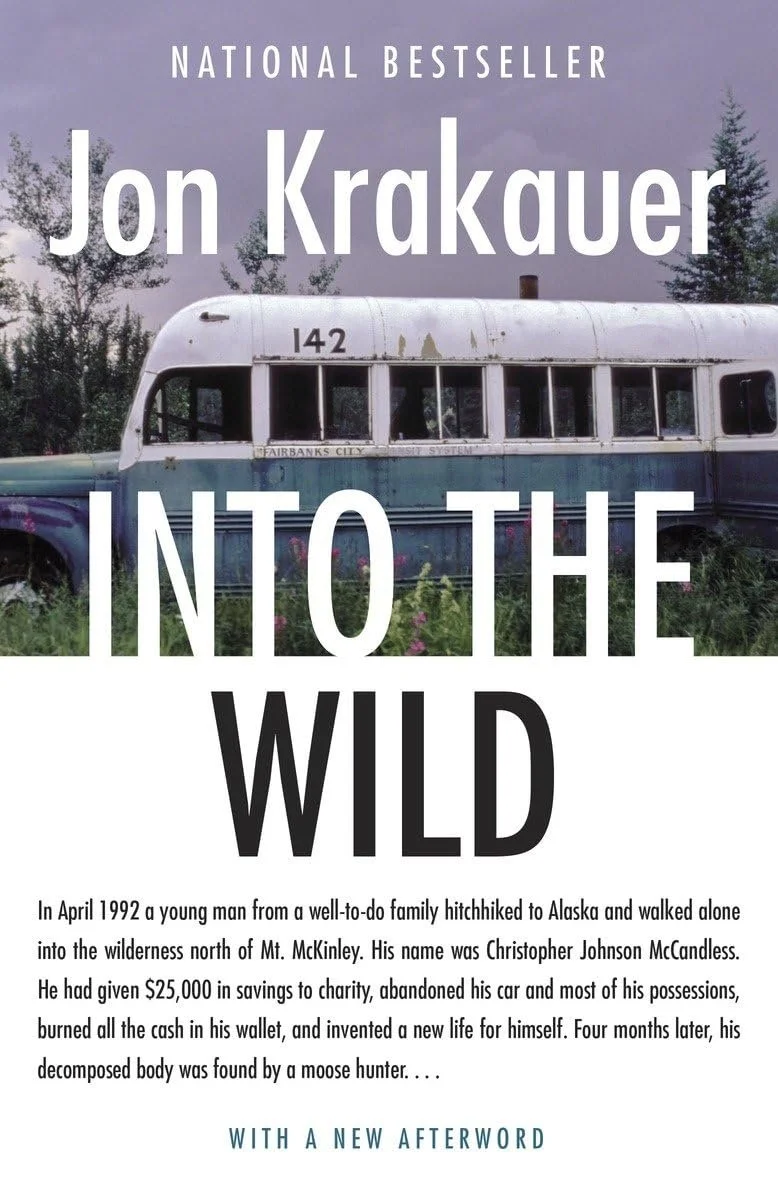
Into the Wild by Jon Krakauer
I read Into the Wild by Jon Krakauer years after watching the movie. I am glad I did. I hold them both in high regard, but for different reasons. In the film, we get to know Chris. We come to understand what might make a young man with a promising future reject society for a social experiment in pursuit of something purer.
In the book, we get to know some of the people who knew Chris best. We see the imprint and scars left remaining by a young man who dared question the use of this world we have created.
This book also stands as a profound journalistic achievement built on a human-interest story that makes me deeply curious about the stories of others lurking in plain sight or slightly below the surface.
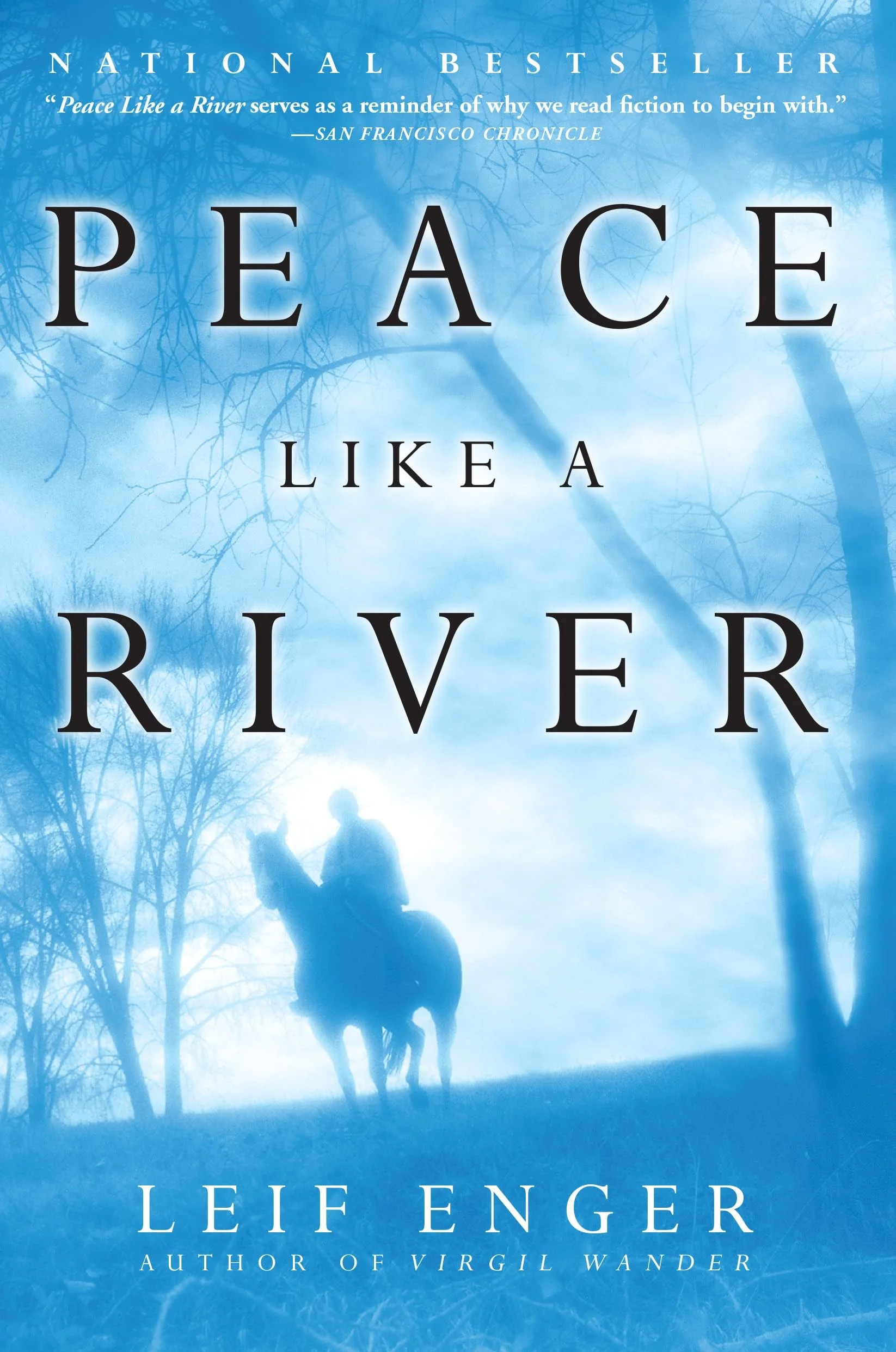
Peace Like a River by Leif Enger
Peace Like a River by Leif Enger was given to me by a dear friend. From the cover alone, I didn’t expect much. Within about fifty pages, I could tell I was holding and experiencing something uniquely special. When I read the last page, my feelings were affirmed.
This book is powerful. It is about family, love, sacrifice, and magic in a world desperate need of rescue. It is beautifully written, paced, and constructed. It keeps you guessing and has an ending that still haunts me. I don’t know what more can be asked of a novel.
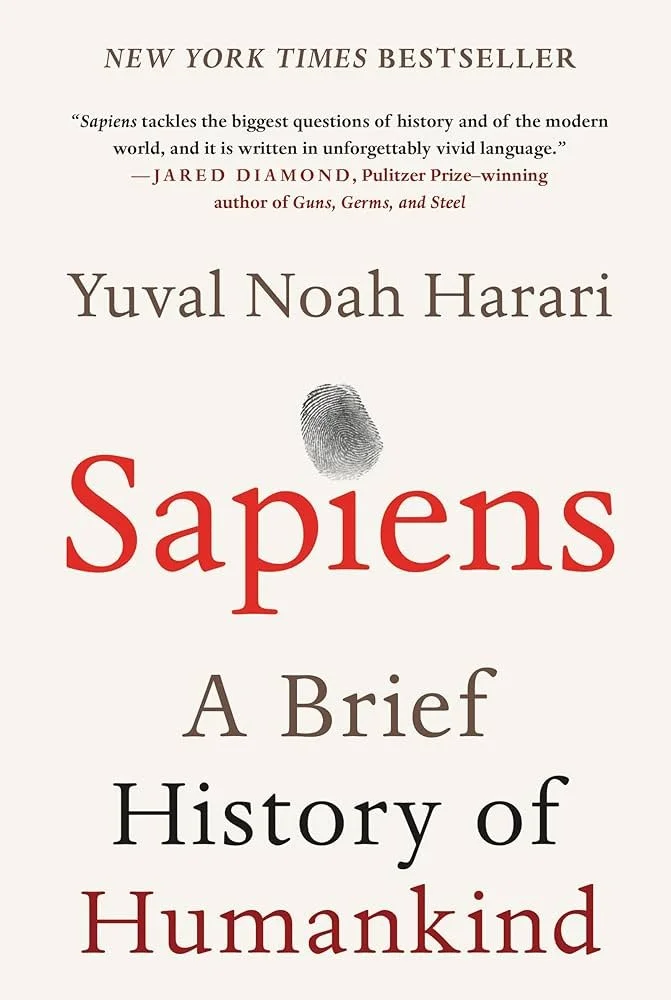
Sapiens: A Brief History of Humankind by Yuval Noah Harari
Sapiens: A Brief History of Humankind by Yuval Noah Harari is a wonderfully researched and written story about humanity reaching across the breadth of time, from our humble beginnings to thoughts about what might meet us down the road. Reading this work feels both profound and special.
As you watch our species evolve, societies form, societies advance, society creates the means of self-destruction, and we wrestle with notions about our future, I couldn’t help but think about my own place in the human story. I have a feeling that you might feel the same way.
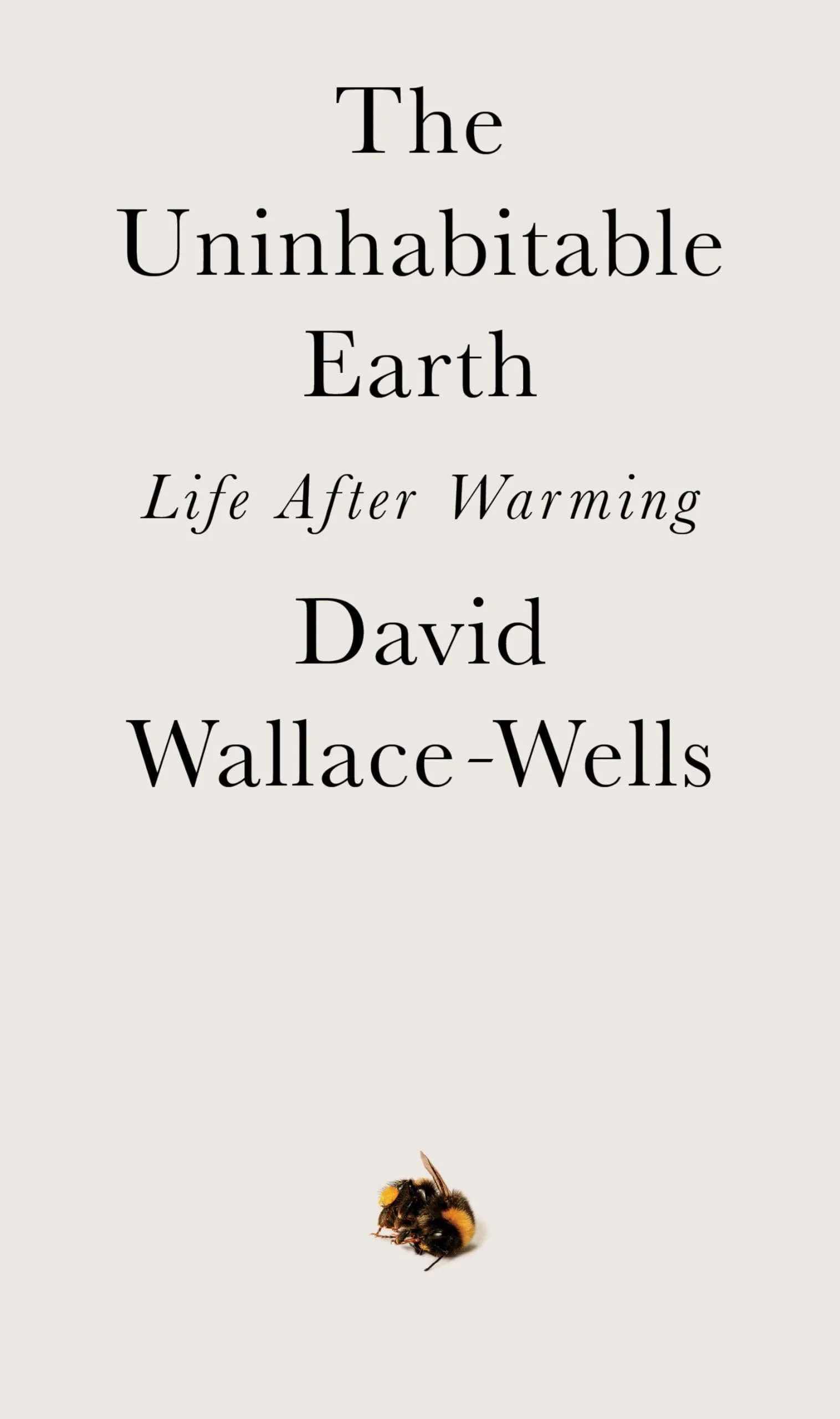
The Uninhabitable Earth: Life After Warming by David Wallace-Wells
The end is near, and The Uninhabitable Earth: Life After Warming by David Wallace-Wells has the receipts. Anyone who argues that humans aren’t contributing to global climate change ignores the data. From cover to cover, this book is filled with mountains of data explaining how we got here and what happens next without serious interventions.
By no stretch of imagination is this an easy book to read. Personally, it filled me with dread and exacerbated my worries about the future, but it remains a truth I needed to confront sooner rather than later. Now, I feel partly prepared about what comes next. At least, when I come across some news story proving a point found in this book, I don’t feel surprised. I just feel disappointed.
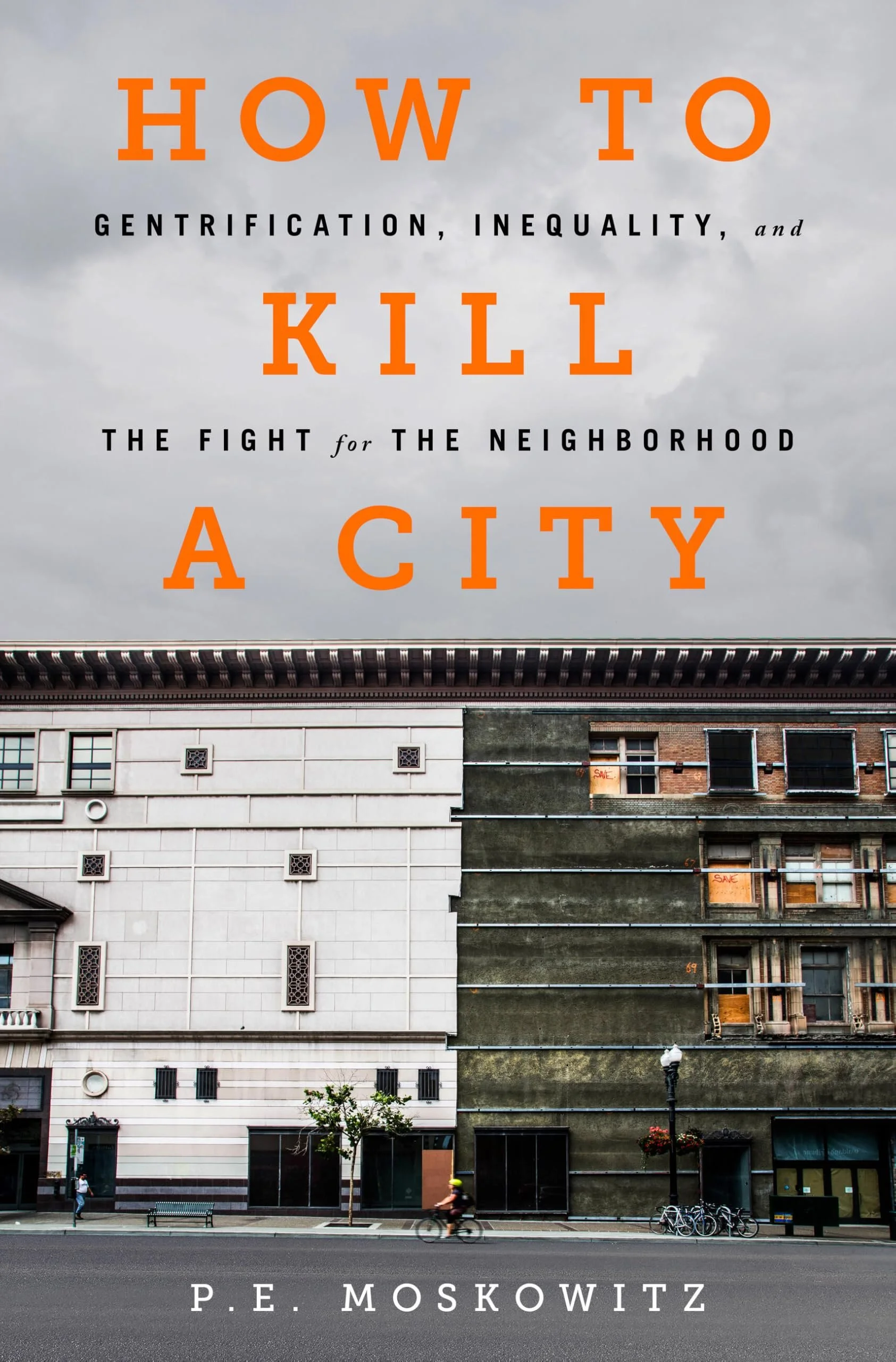
How to Kill a City: Gentrification, Inequality, and the Fight for the Neighborhood by Peter Moskowitz
How to Kill a City by Peter Moskowitz should be required reading for anyone working in homelessness, designing cities, or deciding policy that shapes the lives of people who call cities home. As someone who has worked for more than a decade to house chronically homeless men and women, and now works on affordability, this book possesses mountains of truth and facts I have always thought true, but have never been able to clearly state. Now, I feel armed and ready for the arguments. I feel ready to help others understand that a city is of no good, if it isn’t good for everyone.
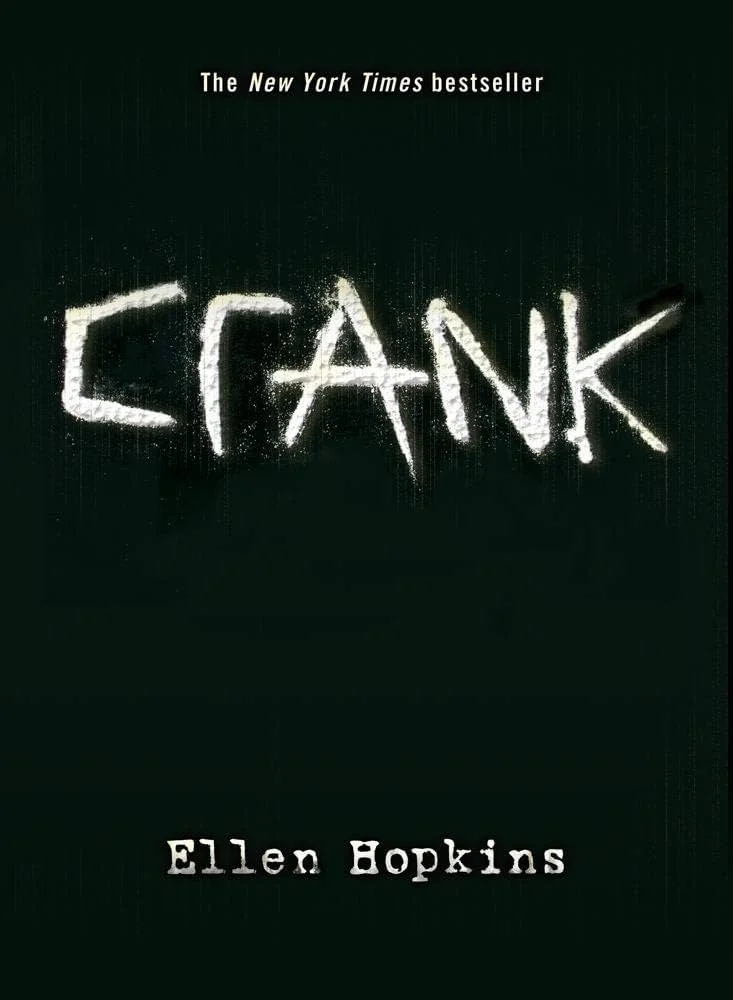
Crank by Ellen Hopkins
I should read more poetry. Crank by Ellen Hopkins proves that I need to read more poetry. As someone who has turned to writing poetry in both good times and bad, I have found refuge in crafting lines that help me unravel the complexities of this world.
In this collection, I began to understand those around me who have battled brave wars with addiction. Some have lost those wars, and some claim daily victories. However, after reading this book, they have gained a bigger fan and an even bigger cheering section.
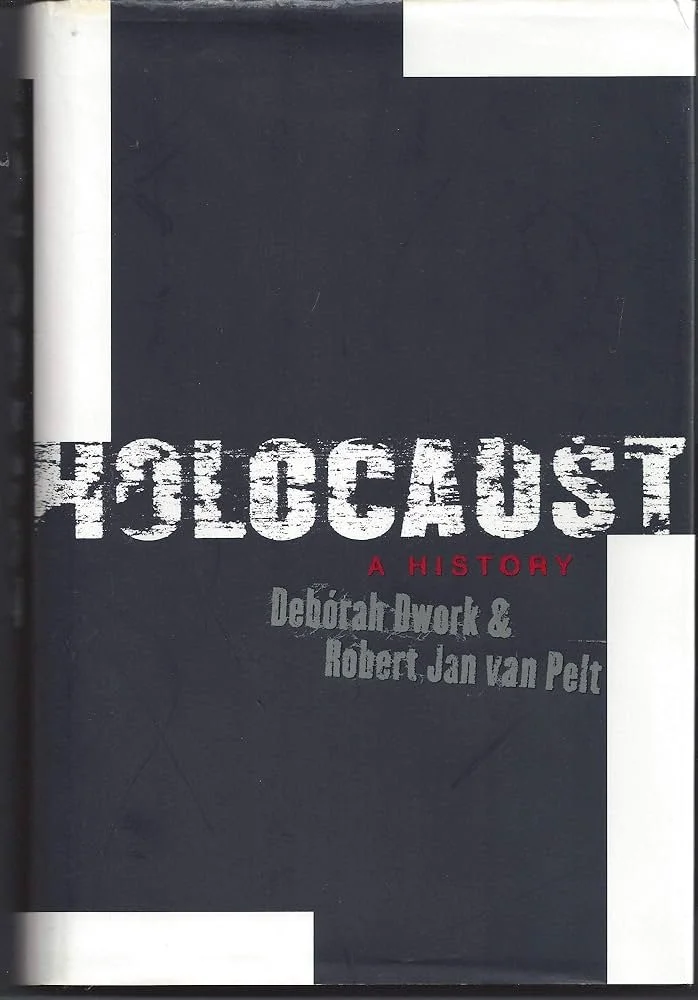
Holocaust: A History by Deborah Dwork
I understand the Holocaust, but the evil still baffles me. It still perplexes me that such an atrocity could unfold in the same century I was born.
With greater frequency, I turn to novels and great works of non-fiction in hopes of better understanding this world of ours. Holocaust: A History by Deborah Dwork is a robust analysis of the Holocaust from beginning to end. It doesn’t fully unearth the evil that lurked in the hearts of so many men, but it helped me more fully understand the state from which this unbelievable play unfolded.
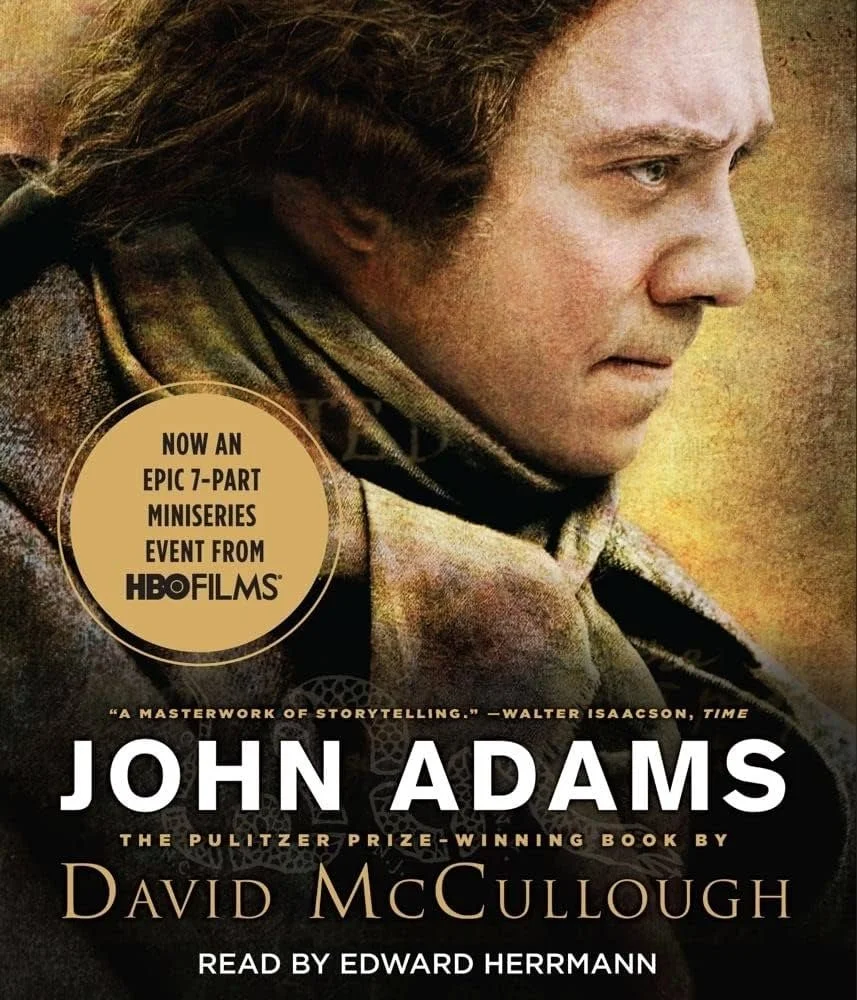
John Adams by David McCullough
John Adams by David McCullough is a biography that reads like a novel. It pulls back the curtain on the founding of the United States, as well as the characters and decisions that made it all possible. At the center of this story is John Adams; a simple family man filled with ambition, who is both shaped by and shaping the times in which he was born.
Like all leaders, Adams possessed an ego. This ego would have him war with opposing leaders, his family, and citizens on the other side of the Atlantic. But he was also a man possessing a heightened level of selflessness. He understood our country was on the precipice of something profound, and he also understood that sacrifice would be required for our American ideals to become reality.
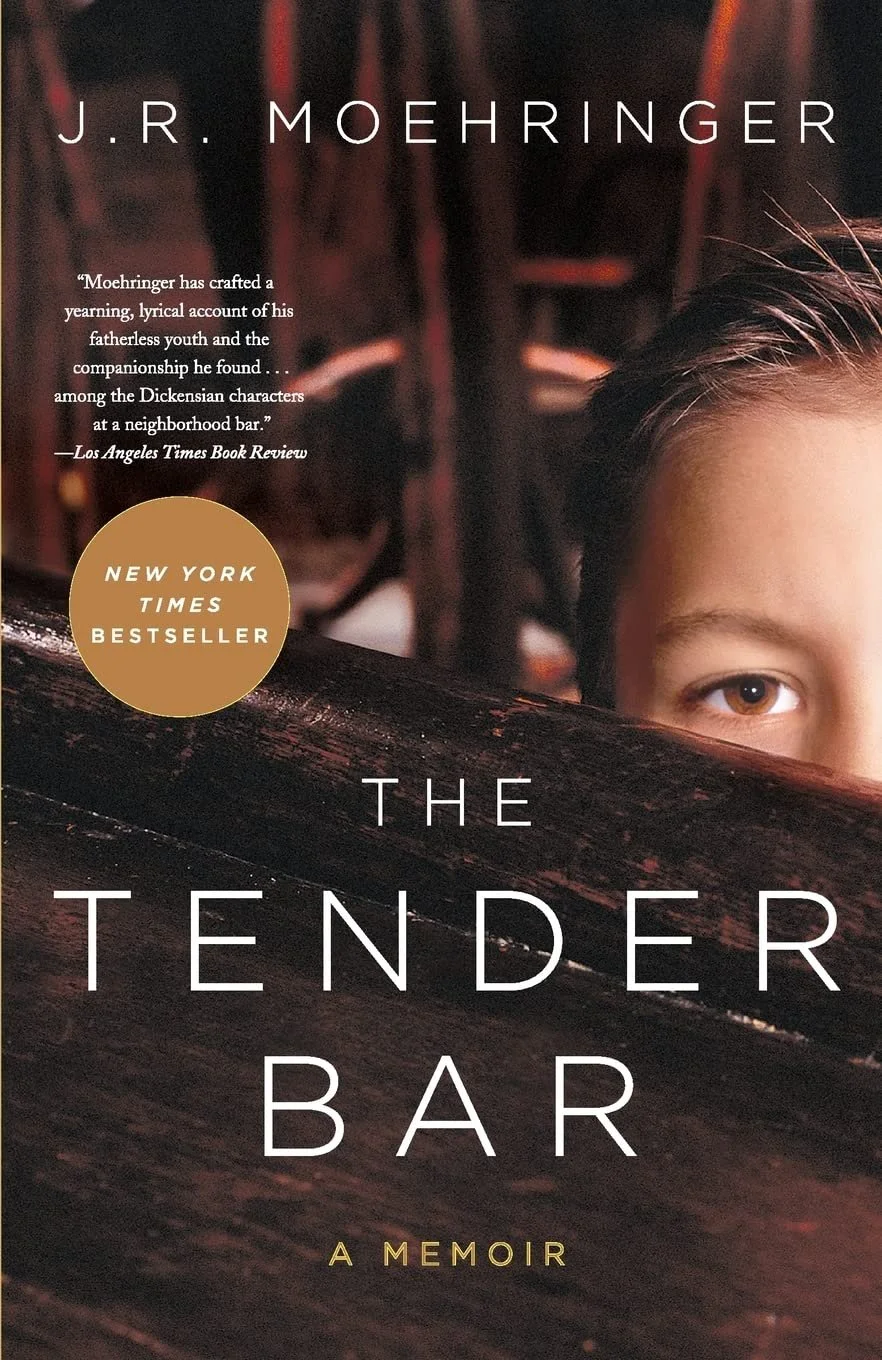
The Tender Bar by J.R. Moehringer
I recently finished The Tender Bar by J.R. Moehringer. As I think about it today, my mind drifts to thoughts about the power of third spaces. If our homes are the first space in our lives, and work is the second, third spaces are public spaces we occupy with others. From the corner bar to baseball stadiums to movie theaters and countless other spaces, these are the spaces where we brush up against other people. The health of these spaces is vitally important, and is a temperature check on the health of our society.
In this book, a neighborhood bar serves as more than a venue. It is a space that helps shape a young man. Between those walls, he finds role models and behavior to never model. He becomes a man and celebrates life’s great joys and heartbreaks. Here, society leaves a mark, but a mark is left behind. As I think about the third spaces in my own life, I think deeply about the exchange of marks and all that means.
Be good to each other,
Nathan
As a member of the factory, you are taking a stand for human powered creation.