Musical Thesis: The Gaslight Anthem "Get Hurt"
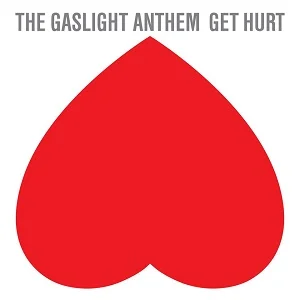
At the center of every album is a musical thesis. "Get Hurt" is raw and real. Not since the beginning of bands such as Pearl Jam and Bruce Springsteen and the E Street Band has a group expressed emotion with such force. But, this band is tired of the comparisons. The thesis behind this album is about creating a separation between those with whom they are often compared and their own unique style and sound. They accomplish this feat with what I like to call "magic metaphors." Within each song, is something to be related to, yet there is no spoonfeeding here. You, as the listener, have to work, dig and apply the music to your own life. In the end, this is what good music should do. In the end, this is what makes this band so great. 


Thanks for entering my world, 

-Nathan 

Nathan Box
Hello! My name is Nathan. I've always believed I would meet that special someone in one of two places; either a record store or a book store. Maybe I need to amend? I moved to Seattle in February of 2011 from Oklahoma City (Try and not hold the Sonics/Thunder thing against me). I knew I wanted to work for a nonprofit and go to grad school. Within a couple of months, I was doing both. During the day, I work as a Fund Developer and Community Relations Manager for a nonprofit in Kent and at night I try to stay as busy as possible volunteering, trying new restaurants, finding hidden bars and exploring Seattle. The past few years has been both terrifying and exhilarating. I have done things on my own I didn’t think were within my capability. I love being outdoors. On any given weekend, I can be found hiking, on a road trip, volunteering, at a museum, seeing a movie (I see a lot of them). I am passionate about nonprofit work. I feel called to leave a mark on this world. Nothing against those who enjoy making tons of money, I just need to know I am making a difference.
natetheworld.squarespace.com
Previous
Previous

Musical Thesis: Pink Floyd “The Wall”

Next
Next

A Reader: “Education of a Wandering Man” by Louis L’Amour